

AI, Data & Sustainability: Cost or Catalyst?

Are We Underestimating the ESG Cost of AI and Data Growth?
The rapid expansion of artificial intelligence (AI) and data infrastructure is redefining business competitiveness—but it is also quietly reshaping the sustainability landscape.
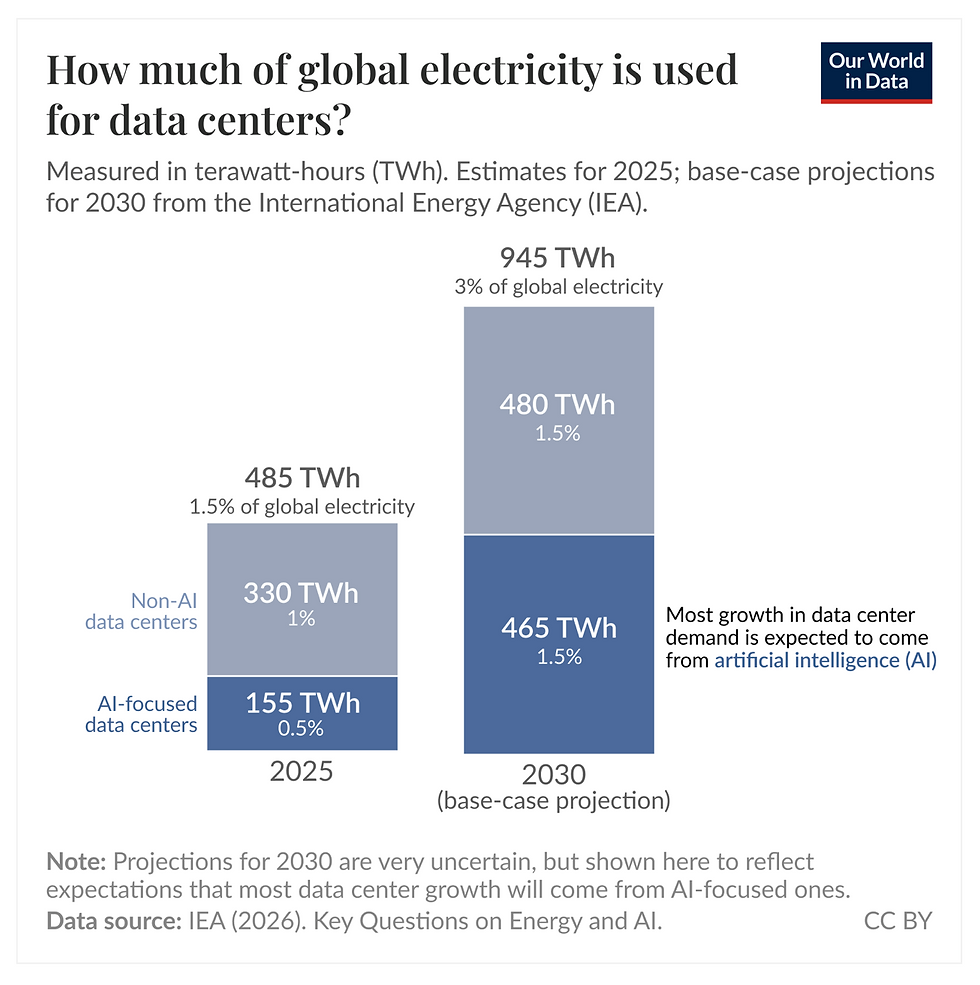
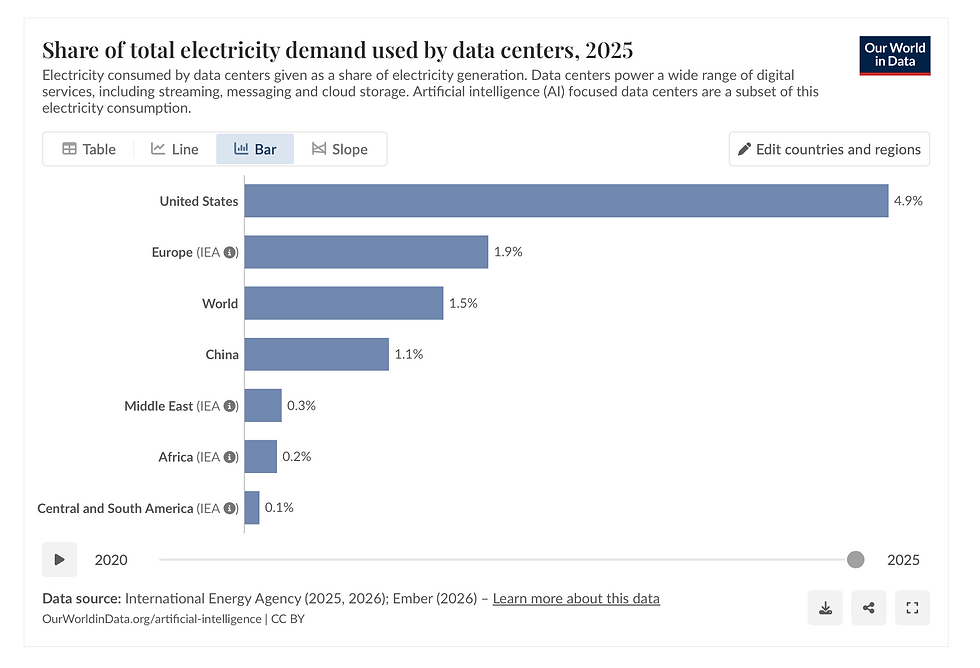
Data centers, the backbone of AI, are now estimated to account for around 1–2% of global electricity consumption, with projections suggesting this could double by 2030 as generative AI scales.
The environmental cost is no longer marginal—it is material. For sustainability leaders, the real question is no longer whether AI impacts ESG, but how deeply it will influence corporate disclosures, risk exposure, and long-term value creation.

Can Innovation and Energy Demand Coexist Sustainably?
AI development demands immense computational power, translating into significant electricity and water usage.
Training a single large AI model can consume as much energy as hundreds of households annually, while cooling data centers requires millions of liters of water per day in some regions.
Tech leaders such as Microsoft and Google have already acknowledged this tension, reporting increased emissions linked to AI expansion despite aggressive renewable energy commitments. This highlights a growing paradox: innovation is accelerating faster than decarbonization efforts can keep pace.
What Do ESG Frameworks Expect from Digital Infrastructure?
Regulators and standard setters are catching up.
Under frameworks such as ISSB (IFRS S2) and TCFD, companies are expected to disclose climate-related risks, including energy-intensive operations like data centers.
GRI standards are increasingly emphasizing resource consumption and emissions transparency, while SBTi is tightening expectations on Scope 2 and Scope 3 emissions tied to digital infrastructure.
More recently, TNFD is pushing organizations to consider the environmental footprint of physical assets, including land and water use tied to data facilities.
In short, digital operations are no longer “invisible” in ESG reporting—they are front and center.

How Are Leading Companies Responding in Practice?
Forward-thinking organizations are already adapting.
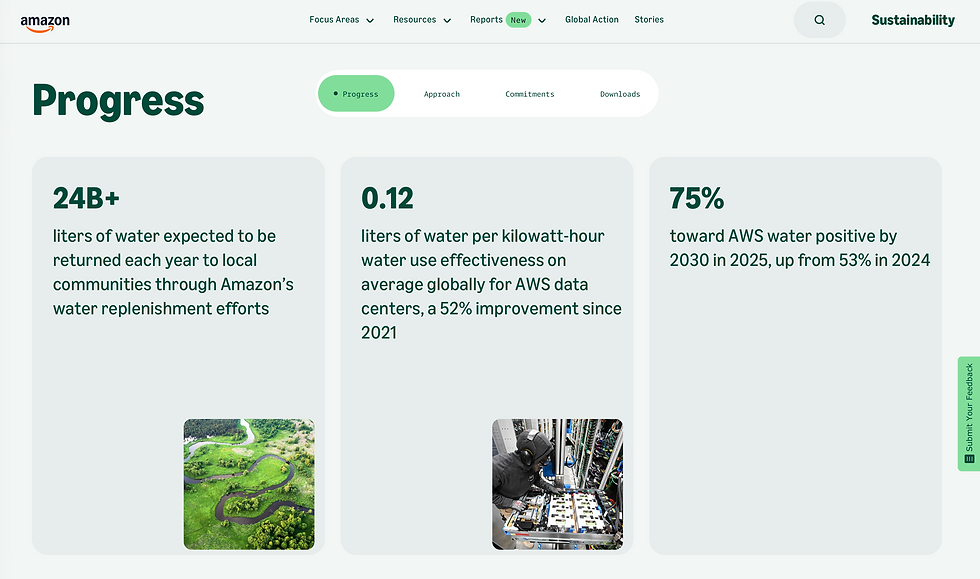
Amazon Web Services has committed to becoming water positive by 2030, investing in water replenishment projects to offset data center usage.
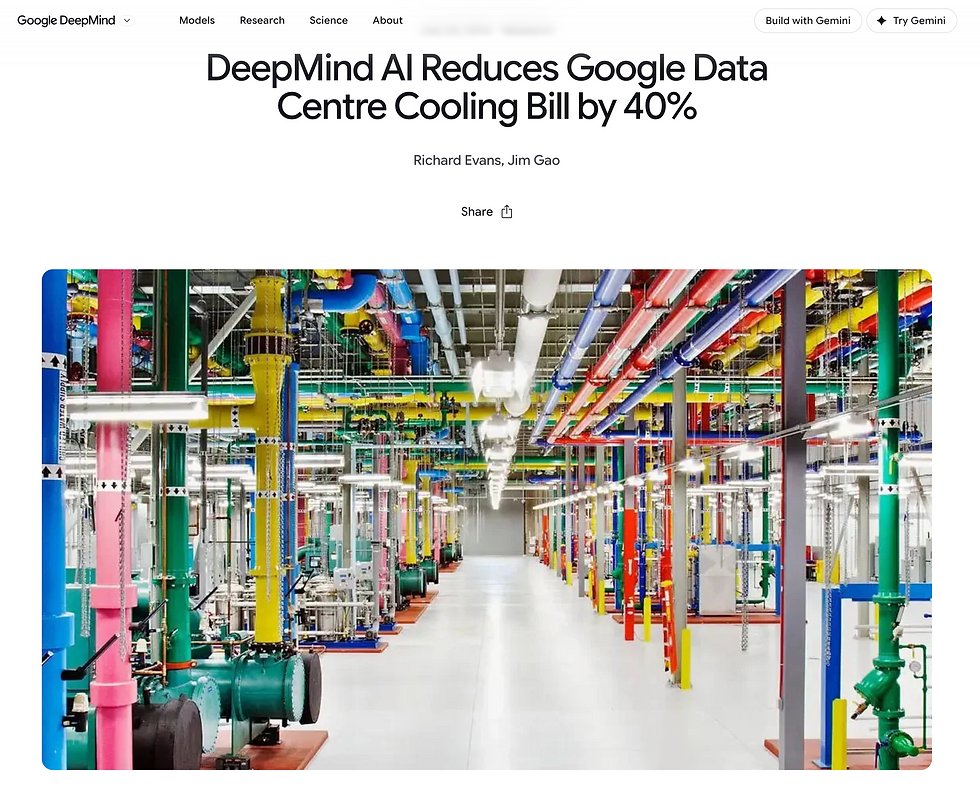
Meanwhile, Google's DeepMind is redesigning data centers with AI-optimized cooling systems, reducing energy consumption by up to 40% in some facilities.
In Asia, emerging markets are seeing increased scrutiny as hyperscale data centers expand rapidly, prompting governments to impose stricter environmental requirements on new developments.
These are not just sustainability initiatives—they are strategic risk management decisions.
Is “Green AI” the Next Competitive Advantage?
A new concept is gaining traction: Green AI. This approach focuses on designing algorithms and systems that are energy-efficient, resource-conscious, and aligned with sustainability goals.
Companies that embed ESG into their digital transformation strategies are beginning to differentiate themselves—not only in regulatory compliance but also in investor confidence and brand trust.
As capital increasingly flows toward sustainable businesses, inefficient digital infrastructure could soon become a financial liability rather than a technical necessity.
What Should Business Leaders Do Now?
The intersection of AI and ESG presents both a challenge and an opportunity.
Organizations should begin by integrating digital infrastructure into their sustainability reporting boundaries, aligning disclosures with ISSB and GRI standards where relevant.
Investing in renewable-powered data centers, optimizing workloads, and engaging suppliers on emissions transparency are becoming baseline expectations.
More importantly, leadership teams must shift their mindset: sustainability is no longer separate from digital strategy—it is embedded within it.
In the race to adopt AI, the real differentiator will not be speed alone, but responsibility. The companies that succeed will be those that recognize sustainability not as a constraint, but as a catalyst for smarter, more resilient innovation.
References and Additional Readings:
https://www.iea.org/reports/energy-and-ai/energy-demand-from-ai
https://ourworldindata.org/how-much-energy-do-data-centers-and-artificial-intelligence-use
https://sustainability.aboutamazon.com/natural-resources/water
https://deepmind.google/blog/deepmind-ai-reduces-google-data-centre-cooling-bill-by-40/


Comments