

Can Hong Kong Electrify Its Public Transport Fast Enough?

Is Hong Kong’s Public Transport System Ready for Full Electrification?
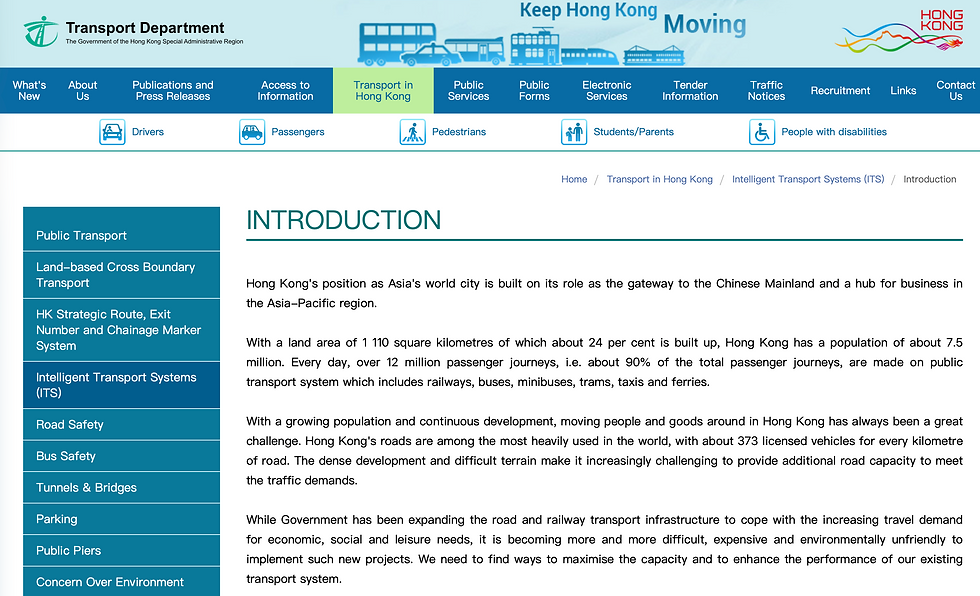
Hong Kong has long been recognised for one of the world’s most efficient public transport systems, with over 90% of daily passenger journeys relying on public transit.
Yet, as the city accelerates toward its 2050 carbon neutrality target, the spotlight is shifting from efficiency to emissions.
Road transport accounts for nearly 20% of Hong Kong’s total carbon emissions, with franchised buses and public light buses (minibuses) contributing a meaningful share.
The question is no longer whether electrification will happen—but how quickly and effectively it can scale.
What Progress Has Been Made in Electrifying Buses and Minibuses?
Encouragingly, momentum is building. As of 2025, all franchised bus operators in Hong Kong have committed to full fleet electrification or transition to new energy buses by 2045, with interim targets already underway.
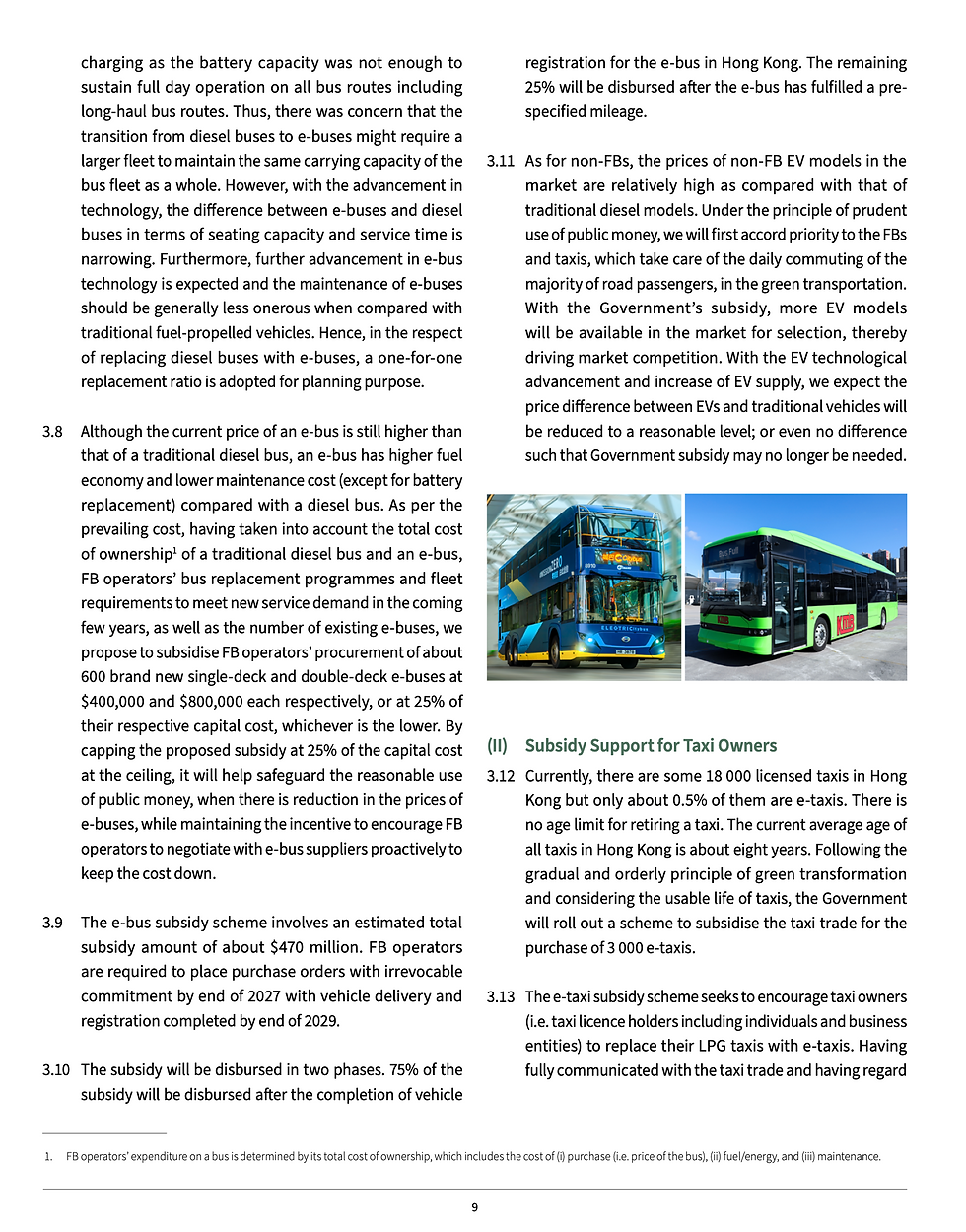
Over 1,000 electric buses are expected to be deployed by 2027, supported by government funding exceeding HKD 3 billion.
Minibuses, however, present a more complex challenge. With approximately 4,300 public light buses operating across dense urban routes, electrification has been slower due to payload limitations, charging infrastructure constraints, and operational economics.
Pilot schemes for electric minibuses have begun, but large-scale adoption remains in early stages.
What Are the Real Barriers Behind the Transition?
Electrification is not simply a fleet replacement exercise—it is a system transformation.
Charging infrastructure remains one of the most significant bottlenecks, particularly in land-scarce Hong Kong where depot space is limited. Grid capacity upgrades are also required to support high-demand charging.
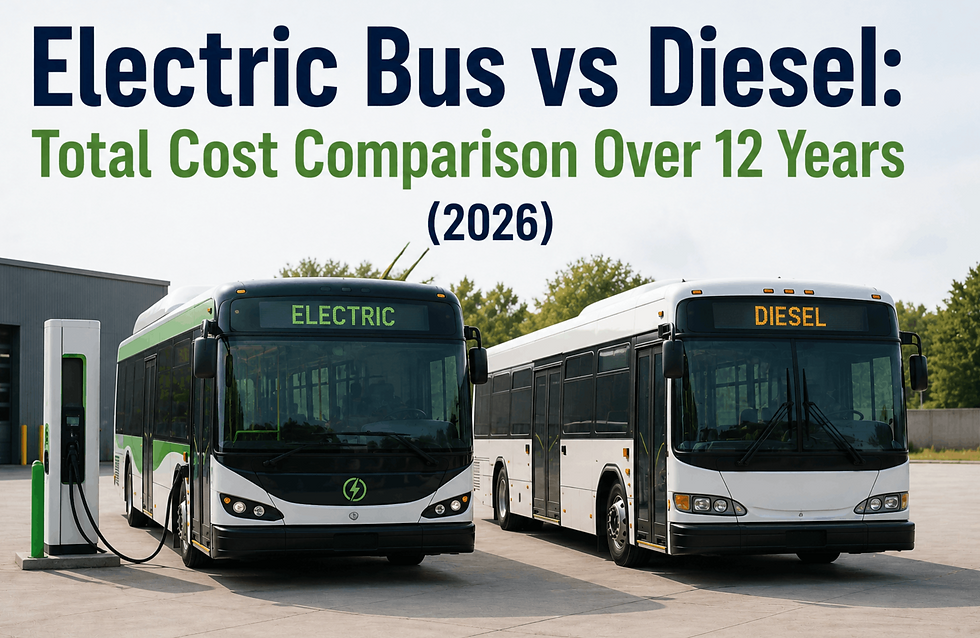
Cost is another factor. Electric buses can cost up to 40–80% more upfront than diesel counterparts, although lifecycle costs are gradually improving.
For minibus operators, many of whom are small business owners, financing this electrify transition without clear incentives remains a key concern.
From an ESG perspective, these challenges directly tie into governance and transition planning disclosures under ISSB IFRS S2 and TCFD frameworks, particularly around capital allocation, climate risk, and transition strategies.
How Does This Align with Global ESG and Disclosure Frameworks?
Hong Kong’s transport electrification journey is increasingly aligned with global ESG frameworks. Under ISSB IFRS S2, companies are expected to disclose climate-related risks, transition plans, and Scope 1 emissions reductions—highly relevant for transport operators.
SBTi is also gaining traction, with transport companies setting science-based targets to reduce emissions in line with a 1.5°C pathway.
Meanwhile, GRI 305 standards guide transparent reporting on emissions reductions, and SASB standards for transportation highlight fuel efficiency and fleet composition as financially material metrics.
For Hong Kong-listed transport operators, ESG disclosures are no longer static reports—they are strategic narratives that investors are actively scrutinising.
What Can We Learn from Early Movers and Case Studies?
Leading bus operators in Hong Kong have already begun integrating electric buses into daily operations, reporting quieter journeys, reduced maintenance costs, and improved passenger experience.
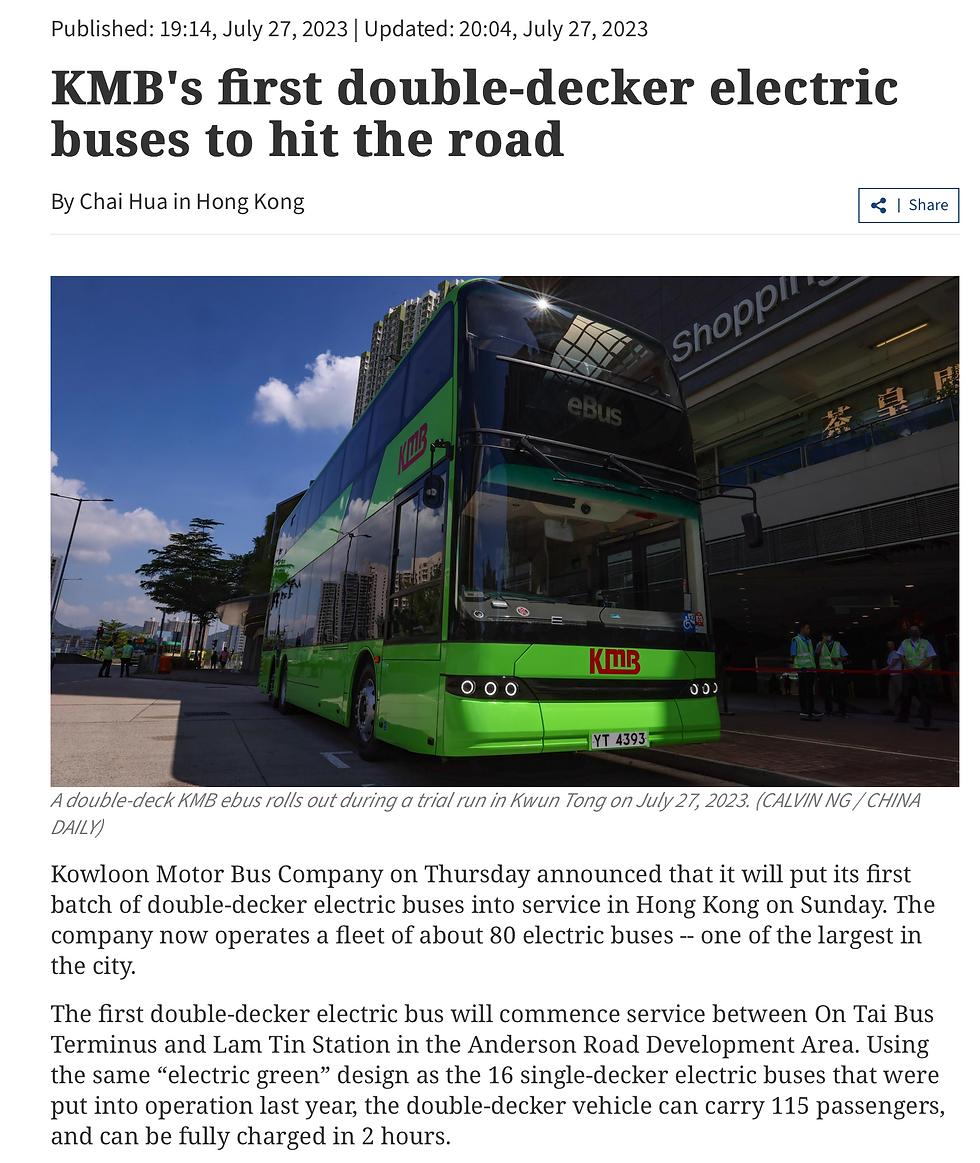
In one case, a major operator piloted double-decker electric buses across high-density routes, achieving significant reduction in operational emissions per route segment.
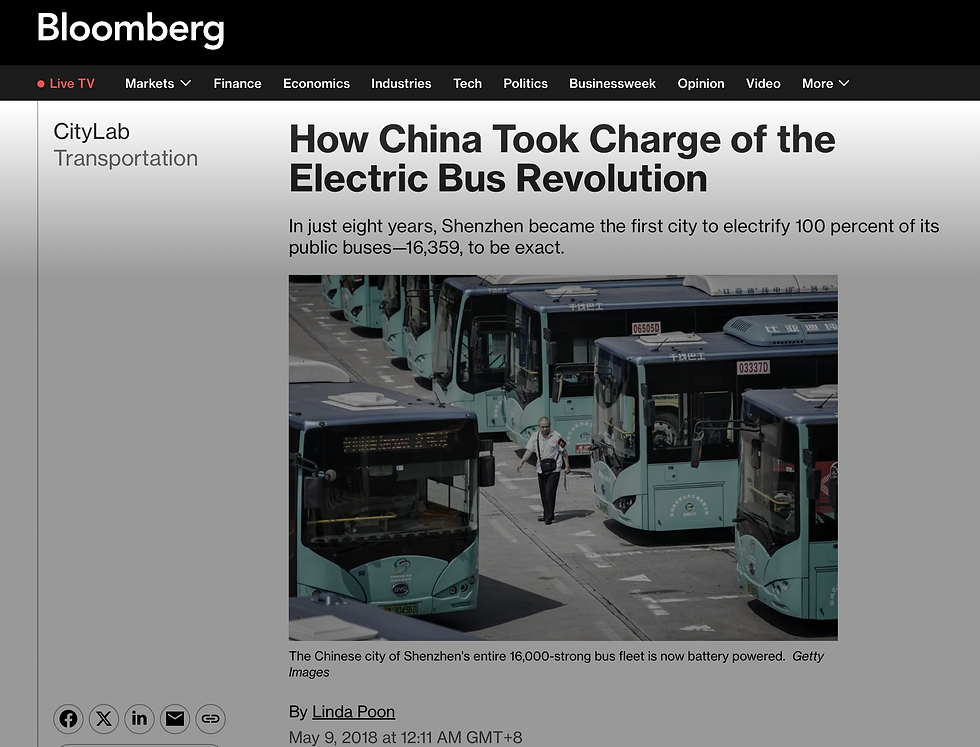
Regionally, Shenzhen’s full electrification of its bus fleet—over 16,000 buses—continues to serve as a benchmark. While Hong Kong’s operating environment differs, the case reinforces that scale is achievable with coordinated policy, infrastructure, and private sector alignment.
Will Electrification Deliver Both Sustainability and Business Value?
The transition is not only about environmental responsibility—it is about long-term resilience and competitiveness.
Electrification reduces exposure to fuel price volatility, enhances brand reputation, and aligns with investor expectations.
Green financing opportunities are also expanding, with sustainability-linked loans and green bonds increasingly tied to measurable emissions reductions.
For operators and stakeholders, the real value lies in integrating ESG into core business strategy—moving beyond compliance toward measurable impact.
What’s Next for Hong Kong’s Road to Zero Emissions Transport?
The next decade will be decisive. Scaling charging infrastructure, refining policy incentives, and supporting smaller operators will be critical to success.
Collaboration between government, utilities, and private operators will determine whether Hong Kong can transition at the pace required.
Electrifying buses and minibuses is not just a technical upgrade—it is a visible, everyday signal of Hong Kong’s sustainability ambition.
For a city built on movement, the journey toward cleaner transport may well define its broader ESG leadership.
References and Additional Readings:
https://www.td.gov.hk/en/transport_in_hong_kong/its/introduction/index.html
https://cgj.hkcgi.org.hk/reducing-hong-kongs-transportation-emissions
https://www.eeb.gov.hk/sites/default/files/pdf/Bus_Taxi_Roadmap_eng.pdf
https://www.info.gov.hk/gia/general/202605/20/P2026052000267.htm
https://www.legco.gov.hk/yr2024/english/panels/ea/papers/eatp20241216cb1-1665-1-e.pdf
https://www.info.gov.hk/gia/general/202606/24/P2026062400199.htm
https://buscmms.com/blog/blogelectric-bus-vs-diesel-total-cost-comparison-2026
https://www.wired.com/story/shenzhen-electric-buses-public-transport/
#HongKongESG #SustainableTransport #ElectricVehicles #NetZeroHongKong #ClimateAction #ISSB #TCFD #SBTi #GreenFinance #UrbanMobility



Comments