

AI vs Net Zero: When Innovation Outpaces Sustainability

Six years ago, global technology leaders set bold climate targets—100% clean energy, net-zero emissions, even carbon negativity by 2030.
Today, those ambitions are being quietly reframed.
What was once a clear sustainability roadmap is now described as a “moonshot” or a “marathon.” The reason is straightforward: the explosive rise of artificial intelligence has fundamentally altered the energy equation.
The Carbon Cost of the AI Boom - AI vs Net Zero
AI is not just software—it is energy-intensive infrastructure. Training and operating large-scale models require enormous computational power, driving unprecedented electricity demand.
Despite record levels of renewable energy procurement, emissions among major tech firms have risen significantly. Google, Amazon, Microsoft, and Meta have all reported double-digit emission increases since announcing their climate goals.
The reality is stark: AI growth is outpacing decarbonization efforts.
AI vs Net Zero is an important area and topic that we can't ignore from now on.

Energy Demand Is Rewriting Climate Strategies
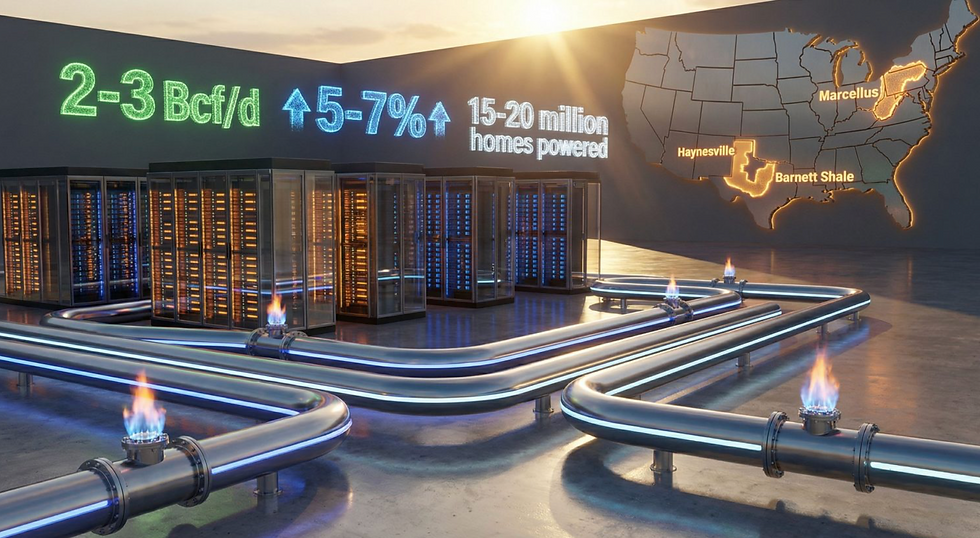
To sustain AI competitiveness, companies are turning to whatever energy sources are available—often natural gas. In the U.S., over 40% of data center electricity now comes from gas, while coal still plays a major role globally.
Utilities are rapidly expanding fossil fuel capacity to meet demand, and some tech firms are even investing in dedicated gas power plants. This signals a shift from idealistic climate commitments to operational pragmatism.
The Limits of Carbon Accounting
Many companies continue to rely on carbon offsets and renewable energy credits to meet targets. However, these mechanisms are facing increasing scrutiny.
Cross-regional offsets—where clean energy investments in one location compensate for fossil fuel use elsewhere—are being challenged by evolving standards requirement such as real-time, location-based energy matching.
The gap between reported “carbon neutrality” and actual emissions is becoming harder to justify.
From Buyers to Builders of Energy Systems
Faced with mounting pressure, tech giants are redefining their role in the energy ecosystem. Investments in nuclear power are accelerating, including small modular reactors and next-generation technologies.
Microsoft is restarting nuclear facilities, while Meta, Google, and Amazon are backing advanced nuclear and even fusion initiatives.
The message is clear: securing stable, low-carbon energy is now a strategic priority, not just a sustainability goal.

Policy Uncertainty and Regulatory Pressure
The broader policy environment is adding complexity. In the U.S., reduced support for renewables and renewed backing for fossil fuels are reshaping investment decisions. At the same time, regulators are increasing scrutiny of AI-related infrastructure, particularly new gas-powered data centers. Proposed projects could lock in billions of tons of emissions over their lifetime, raising concerns about long-term climate alignment.
The Rise of Power-Compute Integration
A new paradigm is emerging—“power-compute coupling.” AI competition is no longer just about algorithms; it is about energy systems. The ability to integrate computing capacity with efficient, reliable, and low-carbon energy sources will define the next generation of digital infrastructure.
Energy storage, grid optimization, and advanced batteries are becoming critical enablers.

Global Competition Shifts Toward Energy Innovation
This transition is also reshaping global leadership. Chinese companies are advancing rapidly in energy storage, battery innovation, and integrated energy solutions. Technologies such as sodium-ion and solid-state batteries are expected to reduce costs and improve scalability, positioning energy infrastructure as a core pillar of AI competitiveness.
A Narrowing Window for Climate Action
While the AI revolution accelerates, climate science remains unchanged. Glacial retreat and rising emissions underscore the urgency of action.
The IPCC continues to warn that without halving global emissions by 2030, the 1.5°C target will be out of reach.
The tension between technological progress and environmental limits is no longer theoretical—it is immediate.
Redefining ESG Leadership in the AI Era
The convergence of AI and energy is redefining ESG. Ambition alone is no longer sufficient—execution, transparency, and system-level thinking are now essential.
Organizations that align innovation with credible decarbonization strategies will lead. Those that fail risk undermining both their climate commitments and their long-term competitiveness.
References and Additional Readings
#ESG #Sustainability #ArtificialIntelligence #EnergyTransition #NetZero #ClimateAction #CleanEnergy #DataCenters #EnergyInnovation #CorporateSustainability



Comments