

Biodiversity Risk Is Entering Credit Decisions - Quietly, Then All at Once

Updated: Feb 20
Why nature risk is turning into a finance conversation in APAC
This topic echoes a question a university student asked me during an ESG sharing session: beyond climate, what should we pay more attention to in 2026?
Biodiversity and nature-related risk has moved beyond “ESG reporting” and into the practical mechanics of credit.
In APAC, the link is especially direct: several economies depend heavily on land, water, fisheries, forestry, and agriculture, while rapid urban growth and infrastructure expansion increase pressure on ecosystems. (See? Industry and sector context plays an important role in ESG analysis...)
That combination creates a simple banking reality—nature risk can become 1) cash-flow risk, 2) collateral risk, and ultimately 3) default risk!

A cautious institution does not need to claim it will “solve biodiversity.” It does need to recognise that nature is an input to economic output. When that input weakens, credit metrics follow. (and again it require talent, human resources and experienced analyst to perform such "decoding" exercise..."
How nature/ biodiversity risk shows up: three channels credit teams already recognise
Nature-related risk tends to arrive through familiar pathways, which is why it is gaining traction with risk and portfolio teams.
First, water stress can disrupt operations and raise costs. A manufacturing borrower that faces seasonal shortages may experience production stoppages, higher water procurement costs, or reputational conflict with local communities—each one affecting debt service capacity.

Second, deforestation-linked supply chains create both operational and market access risk. If a borrower’s sourcing is connected to land conversion, downstream customers may tighten procurement standards, banks may revisit covenants, and insurers may reprice risk.
These effects can surface quickly even when the borrower’s direct operations look stable.
Third, land-use change and ecosystem degradation can drive commodity volatility. When land and climate pressures reduce yields or disrupt logistics, price spikes can hit input-heavy sectors (food, retail, textiles) and export-facing producers at the same time, increasing earnings instability across a portfolio.
Example 1: Water stress as a cash-flow problem
Consider a lender with exposure to industrial parks or export manufacturing clusters in water-stressed regions. A borrower might have strong demand and healthy margins, yet face repeated restrictions on water withdrawal during dry periods. The borrower responds by investing in on-site treatment, trucking water, or shifting production schedules—each solution increases operating costs and capex.
From a credit standpoint, this can weaken interest coverage ratios and increase refinancing risk, especially if the company is already capex-heavy. The nature “signal” in this case is not abstract biodiversity; it is operational continuity.
A cautious bank would start by asking basic, decision-useful questions: Where does water come from, how variable is supply, what is the contingency plan, and what proportion of EBITDA is exposed to water-related disruption?
Example 2: Deforestation exposure becoming a market access constraint
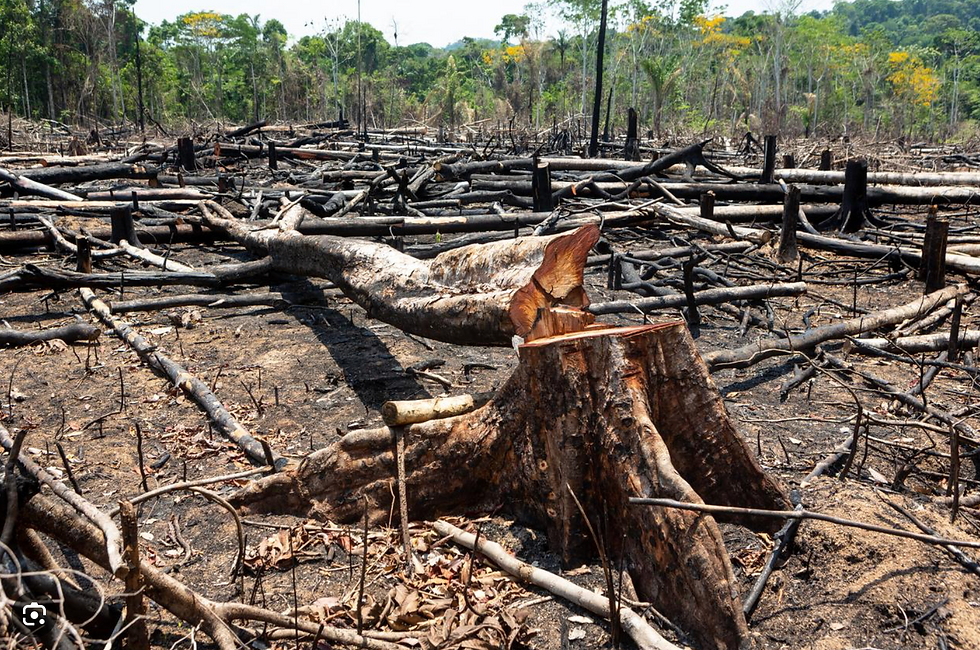
Now consider an APAC trading or consumer goods borrower exposed to palm oil, pulp and paper, rubber, cattle, or cocoa supply chains. Even if the borrower is not clearing land directly, its suppliers might be operating in high-risk landscapes.
The consequence is increasingly commercial: buyers, especially multinational firms, are tightening supplier codes and traceability requirements, and some are willing to switch vendors.
A lender that treats this as “soft ESG” may miss the core issue: contract renewal risk and revenue durability. The better approach is to integrate traceability and sourcing controls into credit assessment—similar to how banks evaluate customer concentration, regulatory exposure, or supply chain resilience.
Example 3: Ecosystem decline feeding into insurance losses and then credit
Nature risk also hits credit indirectly through insurance. Flooding, coastal degradation, and watershed instability can increase claims frequency and severity. As insurers reprice or reduce coverage, borrowers face higher premiums, tighter terms, or gaps in protection.
That can leave lenders with borrowers who are more exposed to physical shocks, and with collateral that is harder to insure.
In APAC markets with rapid property development and high coastal exposure, this “insurance channel” can move fast: higher premiums reduce free cash flow, while lower coverage can elevate loss given default. For cautious credit committees, this is a practical trigger to revisit collateral haircuts, stress assumptions, and tenor.
What a cautious institution should do this year (without overpromising)
A credible first step is portfolio mapping, not grand declarations. Banks and investors can begin by identifying sectors where nature dependency is high (agriculture, mining, hydropower, forestry, real estate near sensitive ecosystems), and where the institution already sees volatility, disruption, or regulatory friction. (what you can measure, what you can control!)
Next is borrower-level questions that fit existing credit workflows. Instead of creating a parallel “nature questionnaire,” integrate a short set of prompts into annual reviews for higher-risk sectors: water dependency, land footprint, supplier traceability, and exposure to protected areas or high conservation value zones.
Finally, build governance and documentation. In the same way climate risk matured through model governance and audit trails, nature risk will require a clear record of assumptions, data sources, and escalation triggers. This is where caution becomes an advantage: disciplined documentation keeps institutions credible when expectations tighten.
The takeaway: nature risk is becoming financially material in ordinary ways
In APAC finance, biodiversity and nature risk is rarely a single dramatic event. It is more often a chain: resource pressure becomes operational disruption; disruption becomes cost and capex; cost becomes weaker coverage ratios; weaker ratios become credit deterioration.
Institutions that start modestly—mapping exposure, embedding a few decision-useful checks, and training teams to recognise nature-linked drivers—will be better prepared than those waiting for perfect data or a perfect framework.
Once again, don't underestimate the hidden "Chain" effect!


Comments