

Can Transit-Oriented Development (TOD) Become the Missing Link Between Climate Ambition and Livable Cities?

What Makes TOD Central to Today’s ESG Conversation?
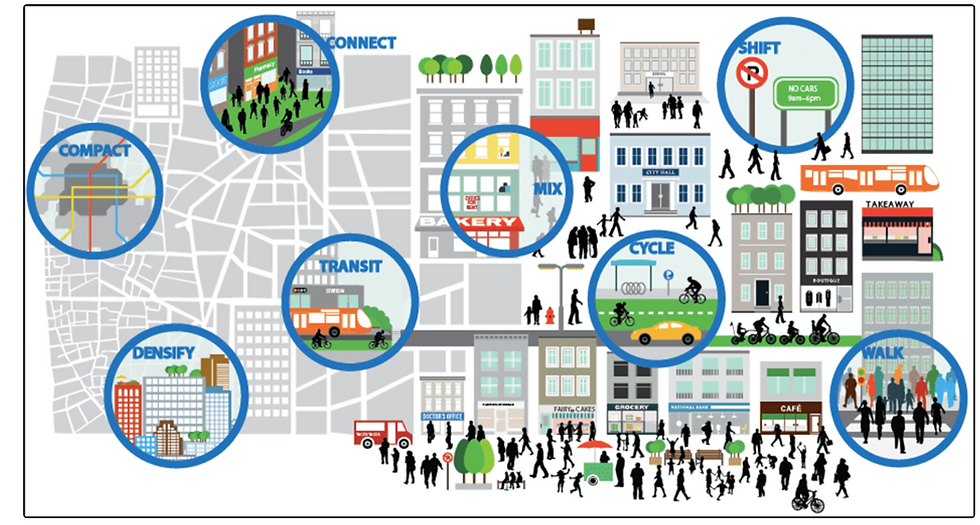
Transit-Oriented Development (TOD) has moved from urban planning theory into the core of ESG strategy. As cities grapple with rising emissions and social inequality, TOD offers a practical pathway—dense, mixed-use developments anchored around public transport.
With urban areas contributing roughly 70% of global CO₂ emissions, the urgency is clear.
Investors and policymakers are now recognizing TOD not just as infrastructure, but as a climate-aligned, socially inclusive investment thesis.

How Does TOD Advance Environmental and Climate Goals?
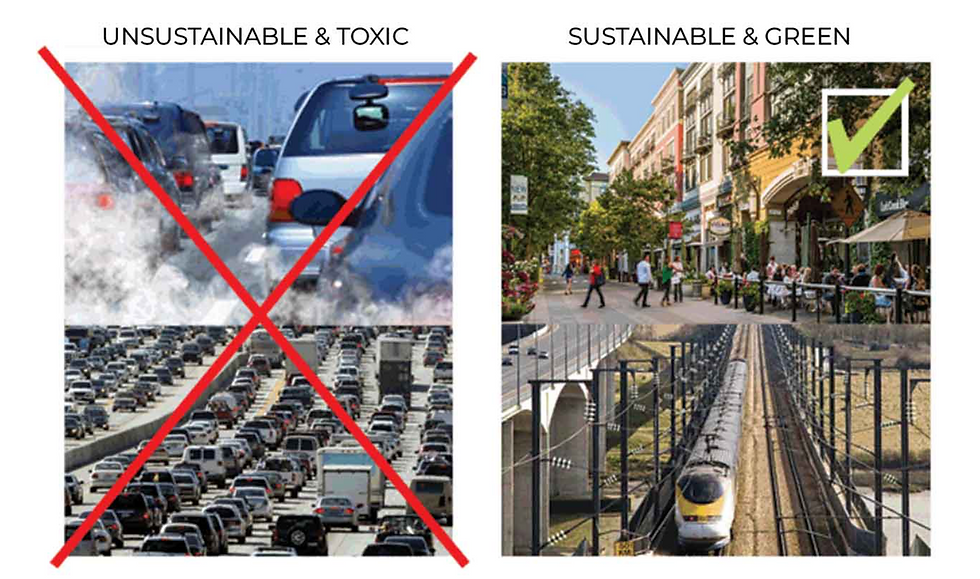
At its core, TOD reduces car dependency—one of the largest contributors to urban emissions. Studies suggest that residents in TOD communities can reduce transport-related emissions by up to 40%. This aligns closely with frameworks like the Science Based Targets initiative (SBTi), where companies and cities are under pressure to decarbonize value chains.
TOD also complements TCFD-aligned climate disclosures, particularly in managing transition risks tied to fossil fuel reliance and urban resilience.
Can Transit-Oriented Development (TOD) Deliver Meaningful Social Impact?
Beyond emissions, TOD intersects strongly with the “S” in ESG.
Well-designed TOD improves access to jobs, education, and healthcare, particularly for lower-income communities.
However, there is a delicate balance—without safeguards, TOD can accelerate gentrification. This is where alignment with GRI and emerging TNFD principles becomes relevant, ensuring developments consider not only social equity but also local ecosystems and community well-being.
Why Are Investors Increasingly Paying Attention?
Institutional investors are increasingly integrating TOD into sustainable investment portfolios.
Under ISSB and SASB frameworks, material issues such as urban mobility, infrastructure efficiency, and social inclusion are gaining prominence. TOD projects often demonstrate stable, long-term returns due to proximity premiums and consistent demand.
More importantly, they offer measurable ESG outcomes—something investors are actively seeking amid tightening disclosure expectations.
What Are the Challenges and Trade-offs?
Despite its promise, TOD is not without friction. High upfront capital costs, complex stakeholder coordination, and long development timelines can deter private sector participation.
There is also the risk of “green labeling” without substantive impact if projects fail to deliver genuine modal shifts. Regulators and standard-setters are increasingly scrutinizing such claims, reinforcing the need for credible, data-backed ESG reporting.
Where Is TOD Heading in the ESG Landscape?
Recent global trends suggest TOD will play a pivotal role in net-zero urban strategies.
Governments across Asia and Europe are embedding TOD into national climate plans, while green financing instruments—such as sustainability-linked bonds—are increasingly tied to transit accessibility metrics.
As ESG reporting frameworks converge under ISSB, TOD stands out as a tangible, cross-cutting solution that bridges environmental performance with social value creation.




Comments